Politics

Texas Republican Sen. Ted Cruz says the U.S. should consider arming Iranian protesters so they can rise up against the regime. Alex Vatanka, a senior fellow at the Middle East Institute, reacts to the remarks.
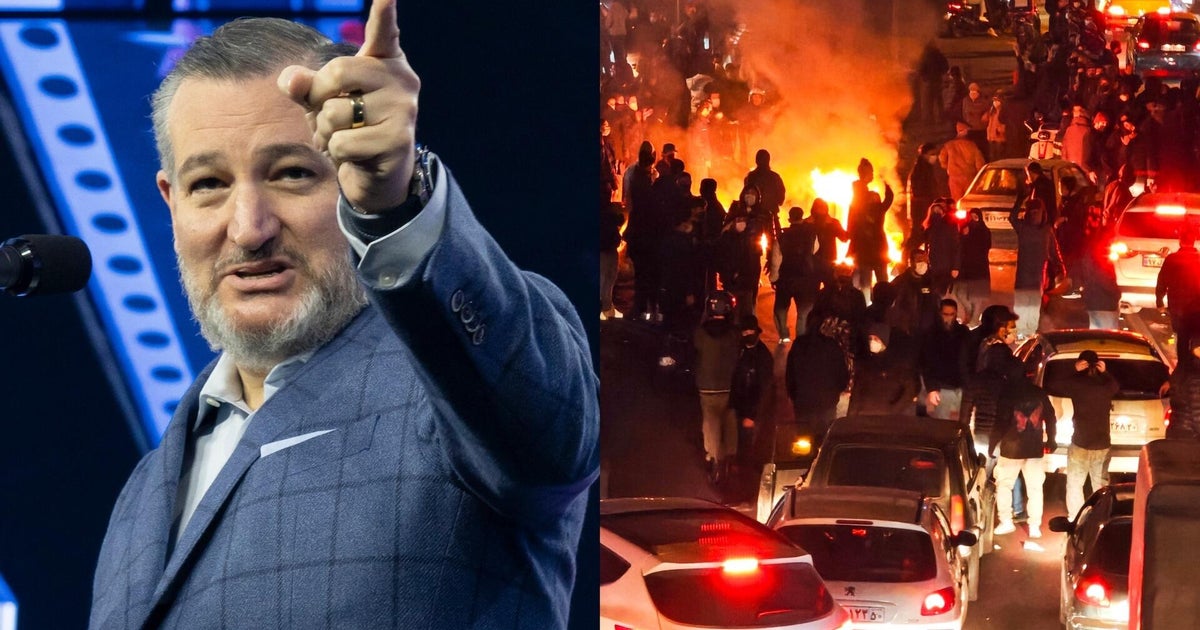
Texas Republican Senator Ted Cruz has raised new questions about American foreign policy regarding the Middle East by suggesting that the United States should consider providing arms to anti-government protesters in Iran. The proposal, aimed at facilitating a popular uprising against the ruling regime, touches on long-standing debates in Washington over how far American intervention should go in supporting domestic dissent within hostile foreign states.
The suggestion arrives as regional tensions remain elevated and the Iranian government continues to grapple with waves of internal discontent and economic pressure. Senator Cruz's remarks position him among hardline lawmakers who argue that mere rhetorical support for Iranian dissidents is insufficient to challenge the entrenched power of the security apparatus.
However, the proposal has immediately drawn scrutiny from foreign policy analysts and regional experts regarding its practicality and potential unintended consequences. Critics of such a strategy point to the immense logistical hurdles of covertly supplying weapons inside a tightly controlled police state, as well as the high risk of catastrophic blowback.
Alex Vatanka, a senior fellow at the Middle East Institute, weighed in on the remarks, addressing whether such an aggressive interventionist strategy could realistically achieve its stated aims. Experts note that external military backing can often be weaponized by authoritarian regimes to discredit domestic opposition movements as foreign-backed agents.
Historically, U.S. policymakers have tread carefully when dealing with uprisings inside heavily monitored adversary nations, balancing the desire to support human rights and democratic movements against the danger of escalating into a wider regional conflict. Past attempts by foreign powers to fuel insurgencies have frequently resulted in protracted violence rather than swift regime change.
As the debate continues in Washington, the prospect of directly arming civilian protesters remains a fringe concept that lacks broad bipartisan consensus. For now, the discussion underscores the ongoing challenge American lawmakers face in formulating an effective and realistic response to the persistent internal challenges confronting the Iranian government.
Has history taught us nothing? Dropping weapons into a heavily monitored state sounds like a disaster waiting to happen.
It's easy for politicians to suggest wild ideas from the safety of Washington without thinking about the actual fallout on the ground.
Can we just focus on fixing our own roads and economy for once instead of trying to arm half the globe?
The regime would just use this as propaganda to claim every single protester is a foreign spy anyway.