
Environment

The Government of India is working with States and agricultural research institutions to develop agro-climatic agricultural roadmaps aimed at improving farm productivity, profitability, resource-use efficiency and climate resilience while tailoring agricultural development to local conditions.
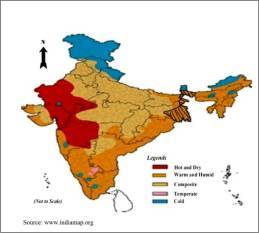
The Government of India is collaborating with various states and agricultural research institutions to formulate comprehensive agro-climatic roadmaps [1.1]. The initiative is designed to elevate farm productivity and profitability while optimizing resource utilization and strengthening climate resilience across diverse regions.
According to the Ministry of Agriculture and Farmers Welfare, initial Agricultural Action Plans have already been initiated for several regions, including Assam, Goa, Maharashtra, Uttarakhand, Tamil Nadu, Andhra Pradesh, and the Andaman and Nicobar Islands. These customized roadmaps look to tailor agricultural development closely to local environmental and structural conditions rather than applying a uniform national framework.
The planning strategy accounts for distinct agro-climatic parameters, natural resource availability, regional climate risks, and technological readiness. Participating institutions include the Indian Council of Agricultural Research, state agricultural universities, and local experts who provide essential technical validation to match regional priorities.
Core objectives of the framework include increasing yields, bolstering farmer incomes, and promoting the efficient deployment of land and water supplies. By factoring in location-specific challenges, such as water scarcity or excessive rainfall vulnerability, the program encourages adaptive measures like drought-resilient crops and targeted irrigation strategies.
Ultimately, the federal government intends for these roadmaps to serve as flexible guiding principles that states can integrate into their broader annual agricultural schemes. As shifting weather patterns and temperature fluctuations continue to impact agricultural productivity, officials hope the decentralized strategy will anchor long-term sustainability and food security across the country.


Honestly, a one-size-fits-all approach never made sense for a country as diverse as ours. Tailoring these plans to actual regional weather and soil conditions is a massive step in the right direction.
I'll believe it when I see the actual results on the ground. Bureaucracy tends to mess up good ideas before they ever reach the small farmers.
Does anyone know if they are planning to share these customized seed and water strategies with local co-ops soon? My uncle's farm could really use some better drought-resistant options this season.
At this rate, my balcony tomato plant is going to need its own climate resilience roadmap. Jokes aside, glad to see someone is finally taking regional differences seriously.