
Crime

The Supreme Court provided clarification on August 3 regarding its interim order from July 28, concerning cases related to student protest violence. The Court stated that the National Capital Territory of Delhi and other state governments have the authority to withdraw or close criminal cases in line with the law. This clarification came during the [...] The post Supreme Court Clarifies Guidelines on Criminal Antecedents in Student Protest Cases appeared first on The CSR Journal .
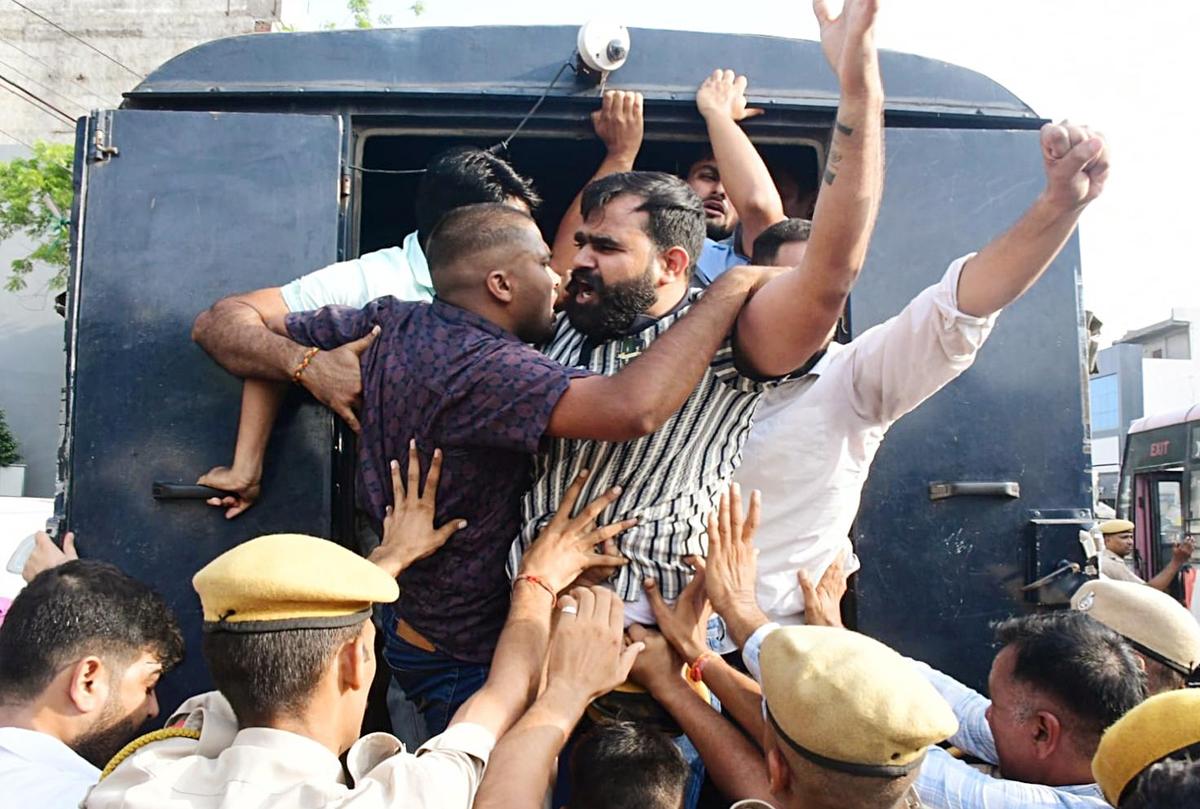
The Supreme Court provided crucial clarifications regarding its interim order concerning student protest violence, affirming that the National Capital Territory of Delhi and various state governments hold the authority to withdraw or close criminal cases in accordance with the law. Presided over by a bench, the proceedings addressed ongoing allegations of police excesses and sought to establish a clearer legal framework surrounding the treatment of detained demonstrators.
During the session, the Court defined the scope of criminal antecedents from its previous directives, specifying that the term applies exclusively to individuals accused of serious and heinous crimes. This distinction ensures that individuals without severe criminal backgrounds are not unfairly barred from relief or subjected to overly punitive measures based on broad interpretations of past records.
The discussions also touched upon the possibility of establishing an independent mechanism to investigate claims of police misconduct during the demonstrations. While considering different frameworks for this investigative body, the Court emphasized the necessity of reviewing allegations leveled against both law enforcement authorities and the participating protesters.
Legal representatives for the petitioners argued that ambiguous definitions of criminal antecedents had previously led to unnecessary arrests and the misapplication of the law. In response, government counsel emphasized that peaceful demonstrators should never be conflated with hardened criminals and confirmed that steps would be taken to protect individuals without serious charges.
To manage the pending legal matters efficiently, the Supreme Court underscored the need for authorities to compile comprehensive records of First Information Reports and properly categorize detainees. The bench noted that public prosecutors could then pursue appropriate legal routes, such as filing closure reports or withdrawing select FIRs where applicable.
As the judiciary continues to evaluate accountability measures, upcoming hearings are scheduled to review further affidavits from the Centre and examine potential oversight panels. These ongoing proceedings aim to balance public order with fundamental rights as the legal system navigates the aftermath of the student demonstrations.


It's about time someone drew a clear line between actual violent offenders and kids just marching. This distinction should have been made months ago.
I'll believe these changes actually happen when I see the paperwork cleared. Too many promises get lost in the lower courts anyway.
Can we also talk about how long it takes just to get a decent cup of coffee near these courthouse districts? The traffic downtown was an absolute nightmare today.
An independent oversight panel sounds great in theory, but who is actually going to be running it? That's always the tricky part.
Finally, some common sense! You can't just ruin a student's entire future over a minor scuffle during a protest.